15 nations issue rebuke of China’s human rights record at UN General Assembly
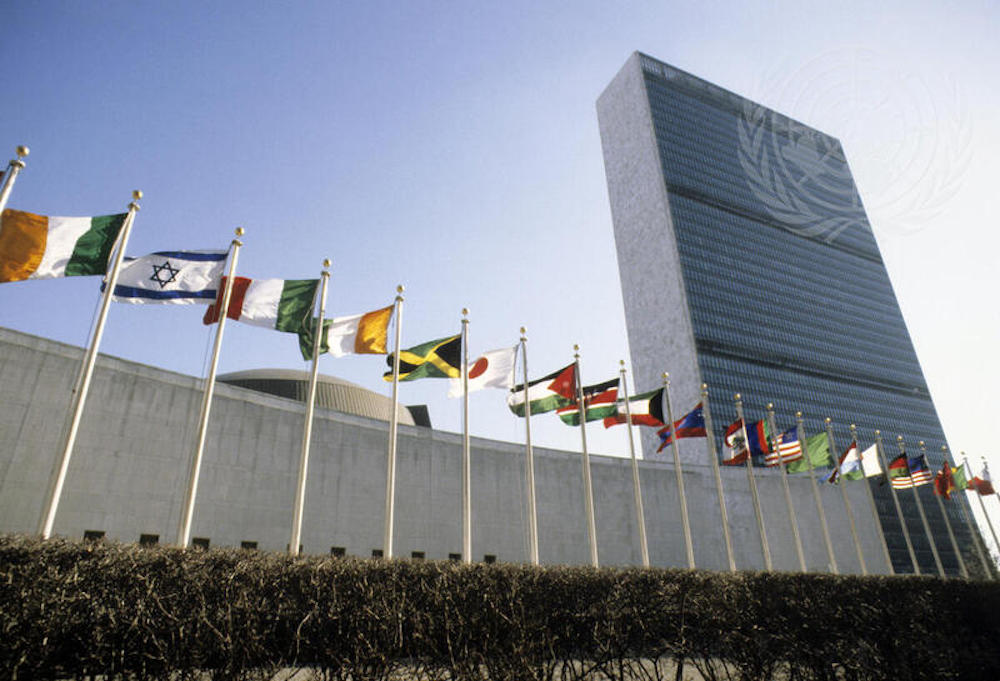
15 countries delivered a joint statement at the 80th United Nations General Assembly’s Third Committee (Social, Humanitarian, and Cultural Committee) on Wednesday, calling out what they described as China’s “serious, ongoing, and systematic” human rights violations both at home and abroad.
Representing Albania, Australia, Czechia, Estonia, Israel, Japan, Latvia, Lithuania, North Macedonia, Palau, Paraguay, San Marino, Ukraine, the United States, and the United Kingdom, the coalition submitted and publicly read a joint declaration that underscored “deep concern” over the Chinese Communist Party’s human rights record, a coordinated action observers noted as unusually direct and broadly supported.
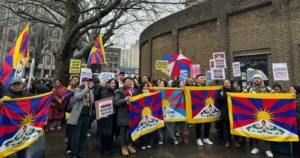
The statement accused Beijing of presiding over a sprawling architecture of repression that includes arbitrary detention, forced labor, unlawful mass surveillance, severe restrictions on religious and cultural freedoms, and the targeting of ethnic and religious minorities. Citing “credible reports,” the signatories highlighted a longstanding pattern of abuses against Uyghurs and other Muslim minorities, Tibetans, Christians, Falun Gong practitioners, and additional vulnerable groups.
Particularly alarming, the countries noted, are practices such as the forced separation of children from families through state-run boarding schools, torture of detainees, and the destruction of cultural and religious heritage sites; such actions, the statement said, violate fundamental human rights and China’s obligations under international law.
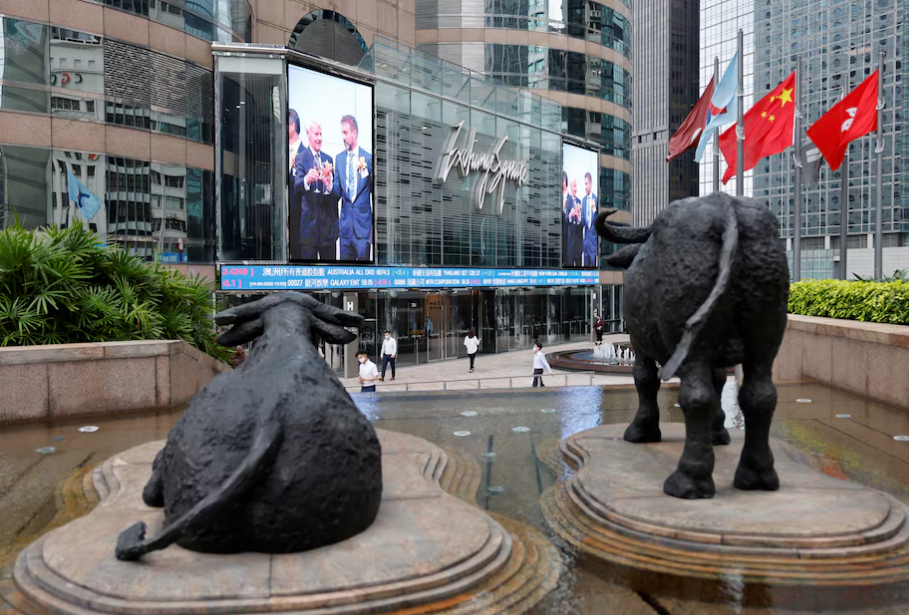
The coalition also drew attention to Hong Kong, warning that the city’s once-robust civil liberties and rule of law have been “severely eroded” under Beijing’s tightening control. The statement condemned the issuance of arrest warrants and cash bounties on activists living outside Hong Kong for exercising freedom of expression, moves it said pose a grave threat to global democratic norms.
Beyond physical repression, the countries voiced concern over the extensive use of digital tools to monitor and silence dissent. “Online and offline,” the statement read, “state censorship and surveillance are used to control information, limit public discourse, and punish those who challenge official narratives.” The targeting of journalists, human rights defenders, and lawyers, combined with transnational repression, has created a “climate of fear designed to silence criticism,” the governments warned.
The joint declaration issued two urgent demands to Beijing to immediately and unconditionally release all individuals detained solely for exercising their human rights and fundamental freedoms, including religious practitioners, activists, and community leaders, and fully comply with obligations under the Universal Declaration of Human Rights and other international treaties China has signed.
The signatories further appealed to UN member states to maintain pressure on Beijing, urging the international community to support accountability mechanisms and ensure that credible reports of abuses are thoroughly investigated and addressed.