From persecution in China to prison in India: Plight of three Uyghur Muslims
Three Uyghur Muslims arrested in Ladakh in 2013 remain in Indian jail despite completing their sentence over a decade ago, trapped by geopolitics.
Stories about ethnic Uyghur Chinese men and women getting persecuted in their country were flooded earlier; now there is a real incident happening in India. India has become a part of the pathetic saga as three Uyghur Muslims have been languishing in prison since 2013. They completed their jail term more than a decade ago, but they are yet to go back and meet their family members in Kashgar.
Ladakh border intrusion 2013
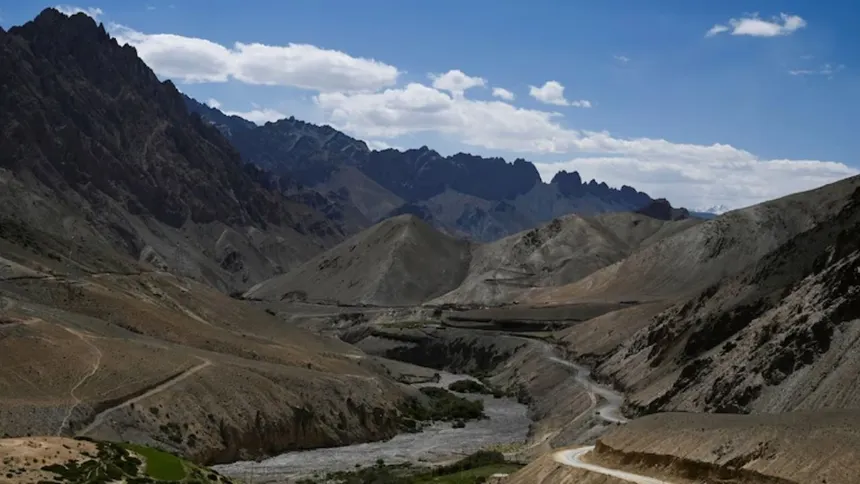
If media reports are to be believed, the Indian Army arrested three “Chinese intruders”—Adil, Abdul Khali, and Salamu—in Sultan Chusku, a remote and uninhabited desert area in the mountainous northern region of Ladakh, on June 12, 2013. After fleeing Xinjiang, the three Muslims of the Uyghur ethnicity travelled for 13 days, took a bus ride for a short distance, and walked on foot through the rugged terrain of the Himalayas to reach Ladakh so that they could escape religious persecution. They fled their hometown of Kashgar after many of their relatives were detained as the Chinese authorities intensified the crackdown against the Uyghurs.
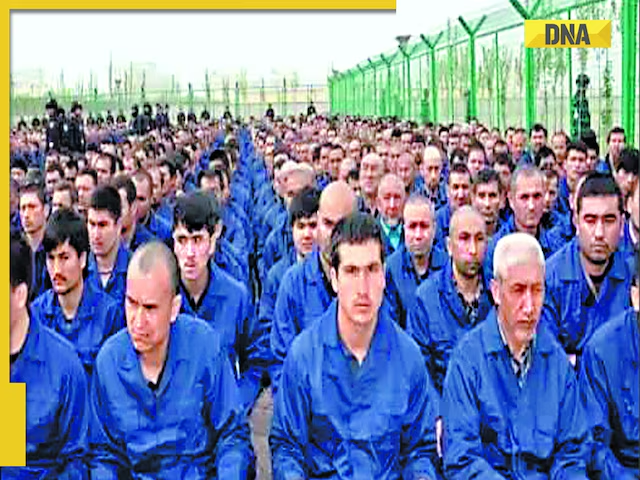
(Detention centre in Xinjiang, China.)
Uyghur persecution in China
The three Chinese intruders were handed over to the local police after two months of interrogation by the Indian Army. They were so clueless about where they were going that they could not know when and how they landed in India. They knew no Indian language, and no Indian could understand what they said. The lawyer provided by the court was equally clueless; he too did not understand what they said. After living in jail for more than one year, the Xinjiang men picked up a little bit of Hindi and told their story.
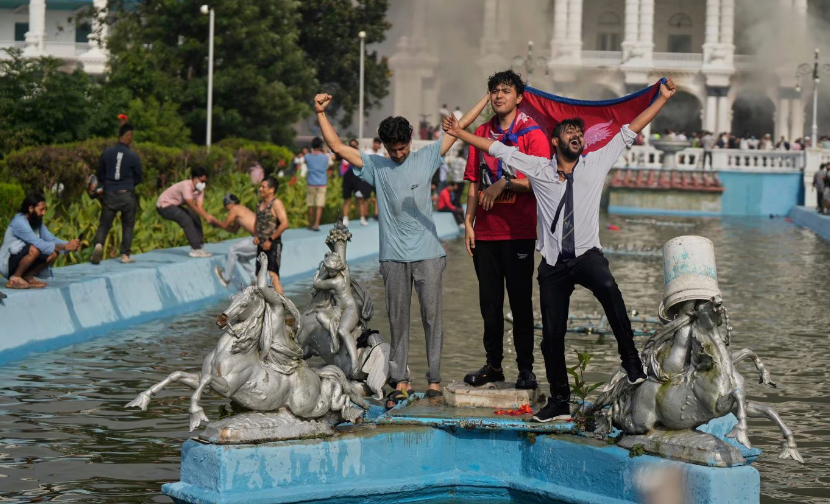
(Demonstration in support of Uyghur Chinese.)
Kashgar Uyghurs arrested in India
The Chinese men were found guilty of crossing the border illegally and were handed a jail term of 18 months. They completed it but could not return, as they were caught in geopolitical crossfire. By the time they completed their jail term, the government had changed in India. The authorities imposed on them the Public Safety Act, under which someone can be kept in jail for six months; it can be renewed for up to two years. The authorities keep reissuing the detention order, and the Uyghurs are still in jail.
China human rights Uyghurs
According to the Guardian, lawyer Muhammad Shafi Lassu met them as part of a regular court-appointed delegation visiting the prison and could not believe they continued to be jailed for nothing more than unlawfully crossing into India. Shafi has been fighting for their release on a pro bono basis, but the government remains unmoved. The Uyghur Muslims have been in Indian captivity since 2013.