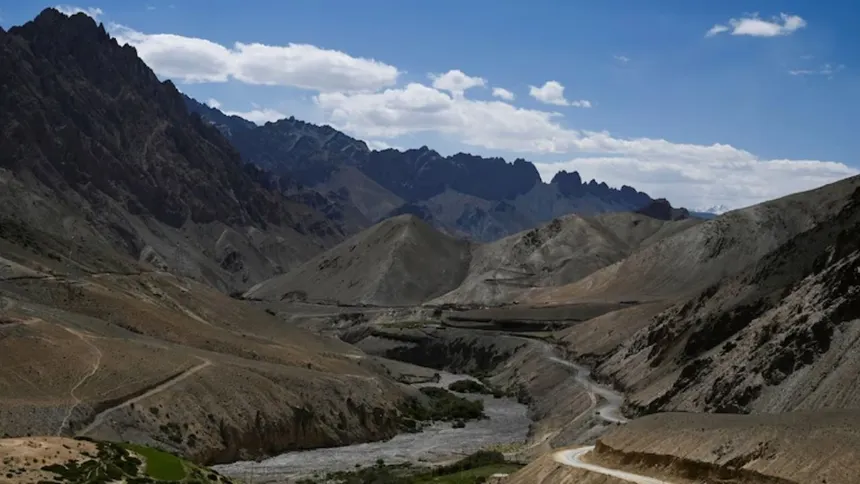
China continues to block US government officials, journalists, and other visitors from entering Tibet, according to the US State Department’s latest annual report on access to the region.
The report, released on May 29 and mandated by the 2018 Reciprocal Access to Tibet Act (RATA), marks the seventh consecutive year documenting these restrictions.
The 2025 report revealed that US officials made five requests in 2024 for permission to visit the so-called Tibet Autonomous Region (Tibetan province of U-Tsang and part of Kham) . None were approved by the Chinese government, echoing the complete denial of access since 2019. Despite increasing their efforts to gain entry compared to 2023, US officials faced continued rejection.
Outside the so called TAR, in Tibetan areas of Chinese demarcated regions like Qinghai, Sichuan, Gansu, and Yunnan (which includes parts of traditional Tibetan province of Amdo and Kham), US diplomats and travellers encountered pervasive surveillance, harassment, and restrictions on movement. Such tactics hinder engagement with local Tibetan communities and stifle independent reporting and observation.
The report noted a sharp decline in US visitors to the TAR since 2019, when an estimated 10,000 Americans travelled to the region. The current number of visitors remains unknown due to limited data from Chinese authorities and the need for special travel permits. This decline reflects China’s stringent travel restrictions, including the requirement for special permits and the persistent denial of access to US officials, journalists, and independent travellers.
Tibetan-Americans seeking to visit their homeland face even stricter barriers. The State Department found they endure more intense visa scrutiny, intrusive background checks, and coercive measures like mandatory tracking software downloads. Once in Tibetan-inhabited areas, Tibetan Americans frequently experience heightened harassment and intimidation by Chinese security forces.
Meanwhile, Chinese authorities continue to selectively grant access to foreign influencers and bloggers, whose curated tours and state-approved narratives contrast with the experiences of those denied entry.